
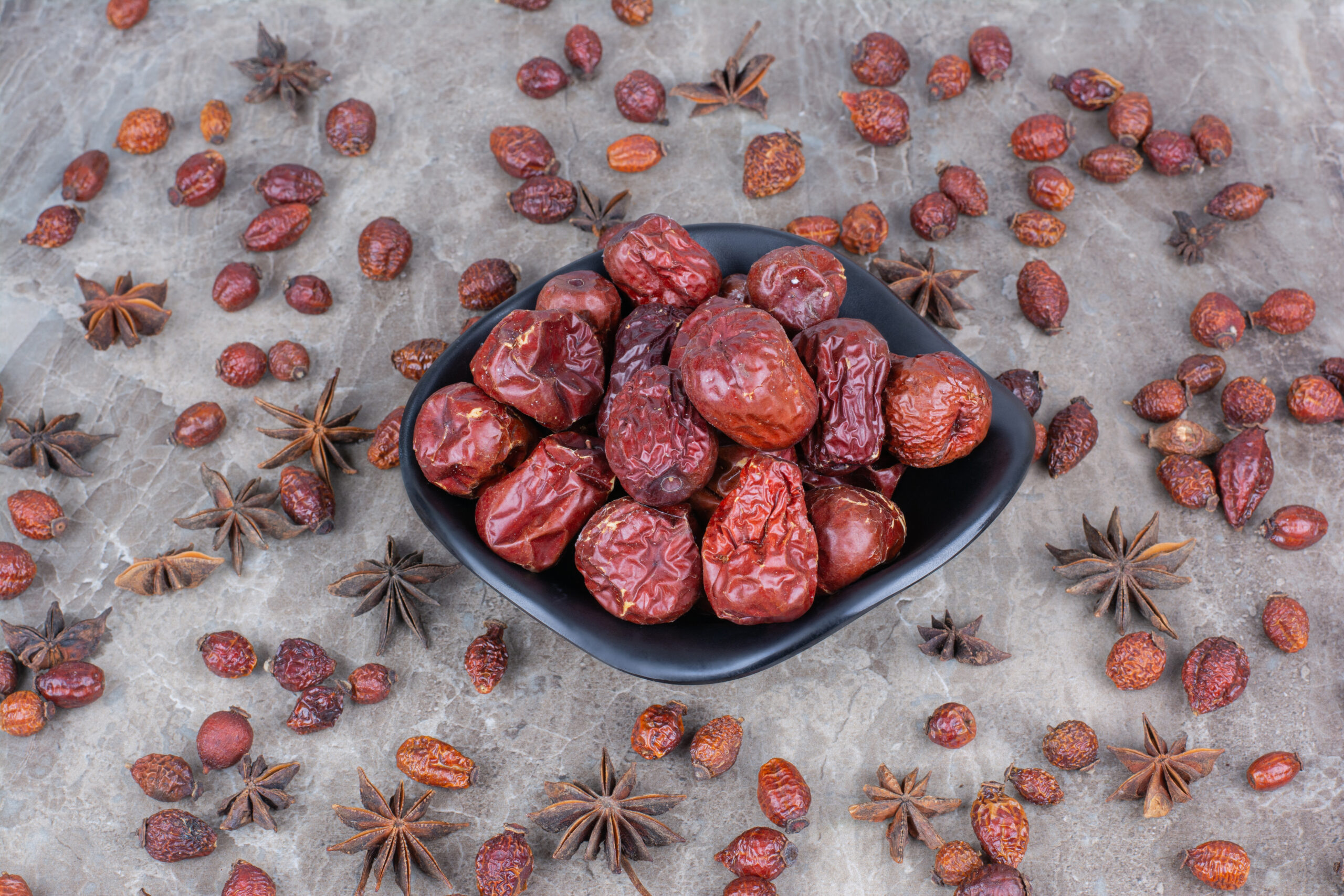
žižole, known in English as jujube or often the Chinese date, is a small but remarkable fruit with a long history, a distinct flavor profile, and a growing reputation as a nutritional powerhouse. Although tiny in size, žižole carry centuries of cultural significance and provide a surprising range of health benefits. Today, as more people look toward wholesome, natural foods, this ancient fruit is experiencing a well-deserved rediscovery.
A Fruit with Ancient Roots
The story of žižole stretches back more than 4,000 years, originating in China where the fruit was first cultivated and revered for both its taste and medicinal qualities. Ancient texts describe it as a restorative food that supported longevity, calmness, and overall health. Over time, the cultivation spread westward to the Middle East and the Mediterranean, eventually reaching regions of southern Europe where the fruit is now familiar under local names like žižola, čižula, or čičimak.
Despite its long history, žižole remains relatively unknown in many parts of the world. But in places where the fruit thrives—Croatia, Italy, Greece, and parts of North Africa—it is celebrated seasonally and used in desserts, teas, liqueurs, and even traditional medicine. The renewed global interest in nutrient-rich superfruits has now brought žižole back into the spotlight.
Appearance, Taste, and Texture
Fresh žižole are small, round to oval fruits that resemble tiny apples. They have smooth, glossy skin that transitions from green to reddish-brown as the fruit ripens. When eaten fresh, žižole have a crisp, juicy bite with a sweetness similar to an apple but with a hint of date-like richness. Their flavor is mild, pleasant, and refreshing—making them easy to enjoy as a healthy snack.
Fully ripened or dried žižole shift in both texture and flavor. Their skin wrinkles, their flesh becomes chewier, and the sweetness intensifies, much like a traditional dried date. This versatility means žižole can be eaten like fresh fruit, dried as a treat, or incorporated into countless dishes.
Nutritional Powerhouse
One of the most compelling reasons for the rising popularity of žižole is their impressive nutritional profile. Even though the fruit is small, it packs a meaningful concentration of vitamins, minerals, and antioxidants.
Rich in Vitamin C
žižole are particularly known for their high vitamin C content. In fact, fresh jujubes contain more vitamin C than many citrus fruits. Vitamin C plays an essential role in immune support, collagen production, skin health, and the body’s natural healing processes.
High in Antioxidants
The fruit contains flavonoids, polysaccharides, and other natural compounds that help protect the body from oxidative stress. Antioxidants are associated with reduced inflammation, improved cellular repair, and better long-term health.
Good for Digestion
žižole have naturally occurring fiber, which supports digestion and helps maintain healthy gut function. In traditional Chinese medicine, the fruit was often recommended to soothe the stomach, improve appetite, and promote harmony in the digestive system.
Supports Relaxation and Better Sleep
Dried žižole, in particular, have long been used in teas and herbal remedies intended to promote calmness and reduce anxiety. Research suggests that compounds in the fruit may help regulate the nervous system and support deeper, more restful sleep.
Naturally Low in Calories
For those looking for a nutrient-rich but low-calorie snack, žižole are ideal. They offer sweetness without added sugars and provide energy without being heavy.
Culinary Uses Around the World
The versatility of žižole makes them suitable for a wide variety of culinary applications. Different cultures have developed their own unique ways of preparing and enjoying this fruit.
Fresh Eating
In many Mediterranean regions, freshly picked žižole are enjoyed straight from the tree. Their crispness and natural sweetness make them a perfect snack during the late summer and early autumn harvest season.
Dried Snacks
Dried žižole have a rich, chewy texture similar to dates or raisins. They can be eaten as a snack on their own, added to trail mixes, or used in baking.
Tea and Infusions
žižole tea is a soothing drink commonly found in East Asian medicine. The slow simmering of dried fruits releases mild sweetness and beneficial compounds into the water. Combined with ginger, honey, or goji berries, the tea becomes an excellent remedy for colds, stress, or sleeplessness.
Jams, Syrups, and Sweets
Some regions make traditional žižole marmalade or syrup, often used to flavor pastries or served with cheese. The fruit’s mild acidity and natural sweetness help create a well-balanced preserve.
žižole Liqueur
In parts of southern Dalmatia and Italy, people make a traditional liqueur called “žutilovka” or “giuggiolino.” This drink is crafted by soaking the fruits in alcohol along with sugar and aromatic spices. The result is a sweet, fragrant digestif served during celebrations and holidays.
Savory Dishes
Although less common, žižole can be added to salads or paired with roasted meats. Their sweetness contrasts nicely with salty or savory flavors, much like apples or figs.
Growing žižole: A Hardy, Resilient Tree
One appealing aspect of žižole is the hardiness of the jujube tree. It thrives in warm, dry climates and is well adapted to poor soil conditions. Because the tree is highly drought-resistant and rarely troubled by pests, it is ideal for low-maintenance orchards or home gardens.
The tree produces beautiful, small yellow flowers in the spring and begins fruiting in late summer. Some varieties can bear fruit only a few years after planting, making them a rewarding choice for gardeners wanting a reliable, productive tree.
Cultural Significance
Beyond its culinary and nutritional qualities, the žižole fruit carries rich cultural meaning. In China, jujubes symbolize fertility, prosperity, and happiness. They often appear in wedding ceremonies and festive foods. In Mediterranean communities, žižole harvests are associated with the arrival of autumn, community gatherings, and traditional celebrations.
Throughout history, the fruit has been mentioned in folktales, herbal traditions, and literature, contributing to its sense of timelessness and mystique.
Why žižole Deserve a Place in Your Kitchen
In a world where both taste and nutrition matter, žižole offer the perfect combination of natural sweetness, versatility, and health benefits. Whether enjoyed fresh, dried, brewed into tea, or incorporated into your favorite recipes, they stand out as a delicious and wholesome choice.
For those seeking to explore new fruits, revitalize their diet with nutrient-rich options, or discover traditional foods with deep cultural roots, žižole provide a beautiful example of how ancient ingredients can enrich modern living.
