
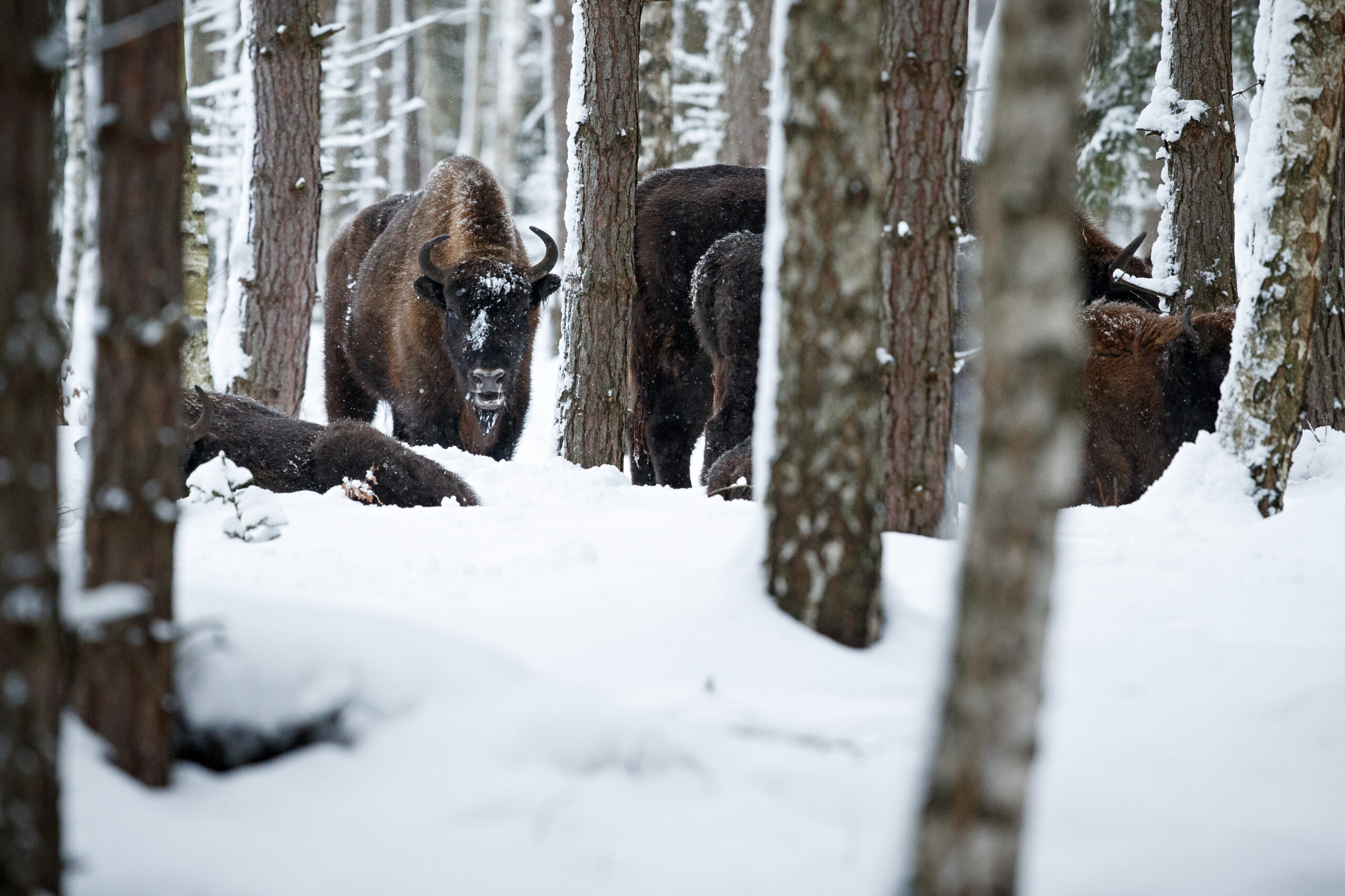
Norway’s landscapes are defined by sweeping forests, rugged mountains, and vast wilderness areas that support a rich variety of wildlife. Maintaining this delicate balance between nature and human activity has long been a central priority across Norwegian communities. At the heart of this effort is an institution that many outside Norway may not be familiar with: the Viltnemnda. These local wildlife management committees serve as essential pillars of Norway’s approach to conservation, combining community involvement with scientific insight and governmental oversight. Their work demonstrates how decentralized, community-focused systems can effectively preserve biodiversity while supporting sustainable use of natural resources.
Understanding the Role of Viltnemnda
The term Viltnemnda refers to a local wildlife management committee established at the municipal level. Unlike national agencies that oversee broad conservation policies, Viltnemnder operate close to the ground and maintain direct contact with local wildlife populations and community needs. Their main purpose is to ensure sustainable wildlife management within their municipality’s borders. This includes monitoring animal populations, assessing habitat changes, and implementing measures that balance ecological preservation with regulated human activity.
Each committee is composed of a combination of community members, hunters, conservationists, landowners, and representatives from municipal authorities. This blend ensures a holistic approach to wildlife management—one that considers both the ecological importance of species and the cultural traditions tied to hunting, land use, and rural livelihoods.
A Tradition of Local Stewardship
Wildlife management traditions in Norway stretch back centuries, deeply intertwined with hunting culture and rural life. Historically, communities relied on local knowledge to assess wildlife abundance, migration patterns, and the sustainability of hunting practices. Modern-day Viltnemnder continue this tradition but operate within a regulated framework that aligns with national environmental goals. They serve as a bridge between traditional ecological knowledge and contemporary conservation science.
One of the strengths of the system is that it empowers local communities to take responsibility for the natural resources in their area. Because they are deeply familiar with local landscapes, committee members are uniquely suited to detect subtle shifts in wildlife behavior, habitat conditions, or population trends. This proximity to nature ensures that management decisions are grounded in real-time observations rather than distant administrative assumptions.
Ensuring Sustainable Hunting Practices
Norway views hunting not only as a cultural tradition but also as an essential tool for wildlife population control and ecological balance. Overpopulation of certain species—such as moose or deer—can lead to damaged forests, crop losses, and an increased risk of road accidents. Conversely, overly restrictive policies could threaten species stability or reduce genetic diversity.
The Viltnemnda plays a critical role in setting annual hunting quotas and seasonal guidelines. Quotas determine how many animals can be harvested within a specific area, while seasonal regulations define when hunting is allowed to minimize disruption during critical periods such as breeding or migration.
To determine these quotas, committee members rely on factors such as:
-
Population surveys and tracking data
-
Health and reproduction rates
-
Historical trends and long-term ecological projections
-
Habitat quality assessments
-
Community reports and observations
This blend of data-driven analysis and local insight helps ensure that wildlife management is both sustainable and socially responsible.
Responding to Wildlife–Human Conflicts
As humans continue to expand their presence in natural areas, interactions between wildlife and people inevitably increase. These encounters can range from benign sightings to potentially dangerous or damaging situations. For example, large herbivores wandering onto roads pose safety hazards, and predators approaching livestock areas raise concerns among farmers.
Viltnemnder are tasked with addressing these conflicts through prevention, mitigation, and, when necessary, action. Their responsibilities may include:
-
Implementing measures to reduce wildlife–vehicle collisions
-
Coordinating efforts to protect livestock from predators
-
Managing problem animals that pose risks to public safety
-
Educating the community about coexistence strategies
By maintaining open dialogue with residents, the committees help foster understanding and encourage practices that reduce conflict while still supporting biodiversity.
Promoting Biodiversity and Habitat Preservation
While hunting management is a major component of the Viltnemnda’s work, their mandate extends far beyond regulating harvests. The committees oversee broader biodiversity initiatives aimed at ensuring long-term ecological stability.
These initiatives may involve:
-
Monitoring threatened or vulnerable species
-
Restoring degraded habitats
-
Protecting important breeding or feeding areas
-
Collaborating with scientists and conservation organizations
-
Participating in regional and national biodiversity programs
This work is vital in an era where climate change and human expansion threaten the resilience of natural ecosystems. By advocating for habitat preservation and ecological balance, the Viltnemnda helps safeguard the health of Norway’s wildlife for generations to come.
Collaboration and Knowledge Sharing
One defining characteristic of Norway’s wildlife management approach is its emphasis on collaboration. Viltnemnder do not operate in isolation; instead, they work closely with government agencies, researchers, local organizations, and other municipalities. This networked approach allows communities to share insights, harmonize practices, and develop coordinated strategies for wildlife protection.
Training and educational programs also ensure that committee members stay informed about emerging ecological research, new technologies for wildlife tracking, and evolving conservation policies. This continuous exchange of knowledge strengthens local decision-making and reinforces the scientific basis of wildlife management.
A Model for Community-Led Conservation
The success of Viltnemnda highlights the value of placing wildlife management in the hands of those who live closest to nature. While central governments play an essential role in establishing national frameworks, local committees ensure that conservation efforts reflect the realities and needs of each region. This balance of centralized oversight and decentralized action enables effective, adaptive management.
In a world where many countries struggle with over-centralized conservation systems that overlook local context, Norway’s model serves as an inspiring example. Community-led stewardship not only empowers residents but also fosters a deeper connection with the natural world.
Conclusion: Protecting Nature Through Shared Responsibility
The Viltnemnda system illustrates how communities can successfully lead wildlife preservation efforts when given the authority, tools, and support to do so. By combining traditional knowledge, scientific data, community insight, and responsible governance, these committees help maintain ecological balance across Norway’s diverse landscapes.
Their work ensures that hunting remains sustainable, wildlife populations remain healthy, and human–nature interactions remain harmonious. More importantly, Viltnemnder embody the principle that protecting the natural environment is a shared responsibility—one that flourishes when communities work together toward a common goal.
As global environmental challenges continue to grow, the Norwegian model of community-led wildlife preservation offers valuable lessons for nations seeking effective, sustainable, and inclusive conservation strategies.
