
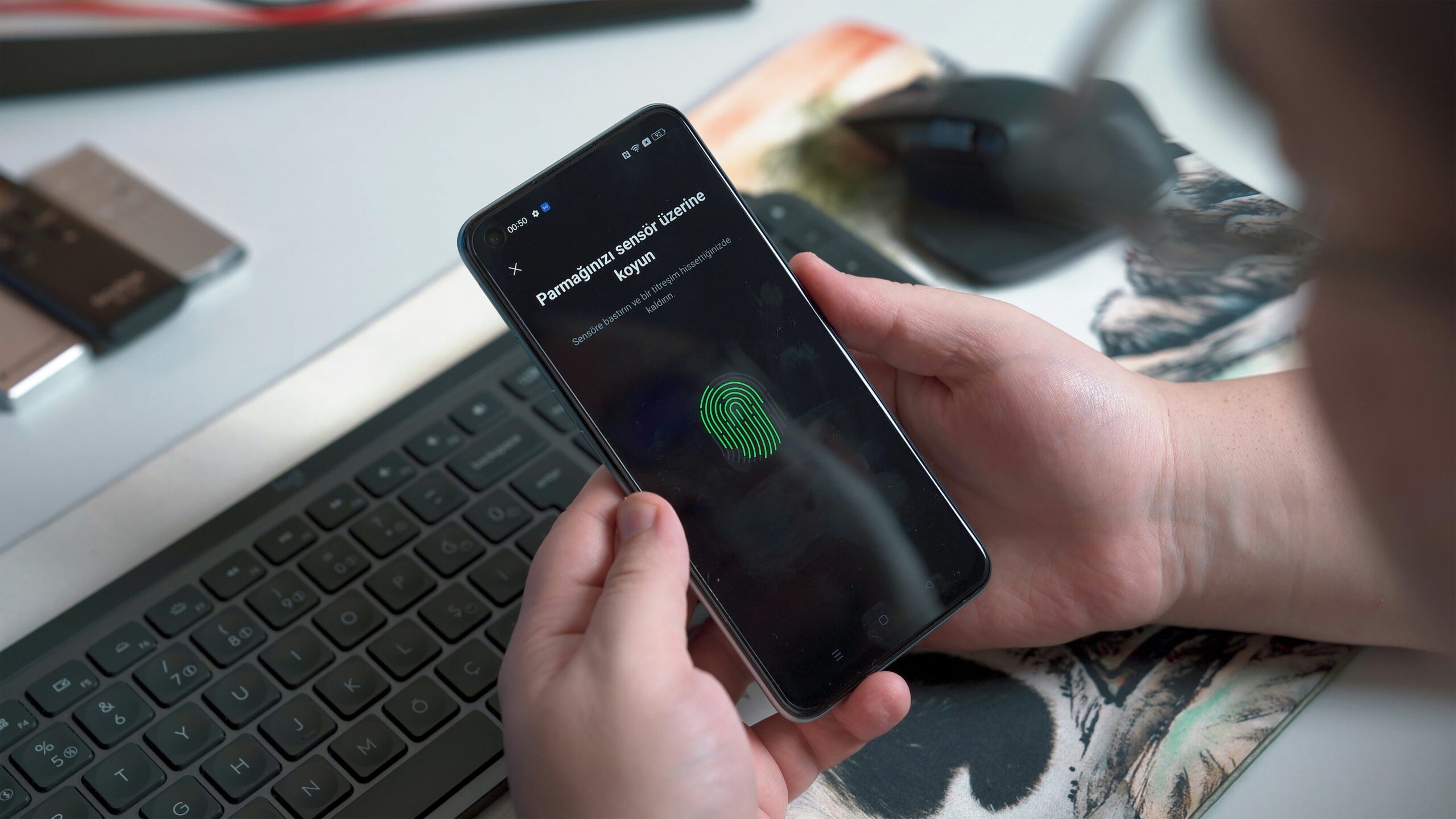
In today’s digital world, your identity is more than just a name and a password. It’s an intricate tapestry of data that defines who you are online. As we continue to navigate the complexities of personal information sharing, the concept of digital identity has evolved dramatically. From simple usernames to sophisticated biometric systems, how we present ourselves in the virtual realm is transforming rapidly.
Enter i̇ns—a groundbreaking approach poised to revolutionize how we manage our identities online. Imagine having complete control over your personal data while ensuring its security and authenticity. This concept isn’t just futuristic; it’s becoming a reality today. Curious about what makes i̇ns so special? Let’s dive into this fascinating journey through the evolution and future of digital identity!
The Evolution of Digital Identity
Digital identity has undergone a remarkable transformation over the years. Initially, it was largely defined by simple usernames and passwords. Users depended on basic credentials to access online services, but this method posed significant security risks.
As technology advanced, so did our understanding of digital identity. With the emergence of social media platforms, identities became more complex and multifaceted. People began curating online personas that reflected their lives and interests.
The introduction of biometric authentication marked another pivotal moment in its evolution. Fingerprints and facial recognition provided enhanced security measures but also raised privacy concerns among users.
Now we find ourselves at the forefront of a new era with decentralized solutions like i̇ns offering even greater control over personal data. This shift represents not just an enhancement in security but a fundamental change in how individuals interact with their digital selves across various platforms.
The Rise of Blockchain Technology in Digital Identity
Blockchain technology is revolutionizing the concept of digital identity. With its decentralized nature, it offers a secure alternative to traditional methods of verifying identity.
Unlike centralized systems, blockchain ensures that users have complete control over their data. This autonomy reduces the risk of unauthorized access and data breaches. Each transaction on the blockchain is transparent yet immutable, providing an unparalleled level of trust.
Moreover, smart contracts enable automated processes for identity verification. This speeds up transactions while minimizing human error or manipulation.
Various industries are already exploring these capabilities. From finance to healthcare, organizations recognize that blockchain can streamline operations and enhance security protocols related to personal information.
As this technology evolves, it paves the way for innovative solutions in managing our digital identities more securely than ever before. The implications are significant—empowering individuals with ownership over their own data while fostering greater confidence in online interactions.
Benefits of Using i̇ns for Digital Identity
Using i̇ns for digital identity offers a multitude of advantages. First and foremost, it enhances security. By leveraging blockchain technology, users can create an immutable record of their identity that is nearly impossible to tamper with.
Privacy is another significant benefit. With i̇ns, individuals have control over who accesses their personal data. This empowers users to share only what’s necessary without divulging sensitive information.
Additionally, i̇ns simplifies online interactions. It streamlines the verification process across various platforms, reducing time spent on repetitive tasks like filling out forms or verifying credentials.
Cost efficiency also comes into play; businesses can reduce overhead associated with traditional identity verification methods by adopting this innovative solution.
Scalability makes i̇ns appealing for both personal and enterprise applications. As digital ecosystems evolve, so does the flexibility of managing identities through this cutting-edge platform.
Use Cases of i̇ns in Various Industries
The application of i̇ns spans across numerous industries, transforming how we manage digital identity. In healthcare, patients can control their medical records securely and efficiently. This reduces the risk of data breaches while ensuring that only authorized personnel access sensitive information.
In finance, banks are adopting i̇ns for secure customer identification processes. It streamlines KYC (Know Your Customer) protocols, enhancing user experience while bolstering security measures against fraud.
Education also benefits significantly from this technology. Institutions can verify student identities and credentials seamlessly, reducing instances of diploma fraud and ensuring authenticity in academic achievements.
Even in e-commerce, businesses use i̇ns to enhance trust with consumers by providing verifiable identities during transactions. This fosters a safer online shopping environment where users feel confident sharing their personal information.
As these examples highlight, the versatility of i̇ns opens doors to innovative solutions across various sectors.
Potential Challenges and Concerns with i̇ns
While i̇ns presents groundbreaking opportunities, it also faces several challenges. Privacy concerns are paramount. Users may worry about how their data is stored and accessed.
Another obstacle lies in user adoption. For many, the shift from traditional forms of digital identity to a blockchain-based system can be daunting. Education and awareness will be crucial for easing this transition.
Interoperability issues could arise as different platforms may not seamlessly work together within the i̇ns framework. This fragmentation could hinder its widespread acceptance.
Moreover, regulatory compliance poses a challenge; laws surrounding digital identities vary widely across regions. Ensuring that i̇ns meets these diverse requirements will require significant effort.
Potential security vulnerabilities cannot be overlooked. While blockchain technology offers enhanced security features, no system is entirely immune to breaches or hacking attempts.
Conclusion: Why i̇ns is the Future of Digital Identity
The digital landscape is evolving rapidly, and with it comes the need for a robust solution to identity management. i̇ns stands out as a forward-thinking approach that promises to reshape how we perceive and manage our digital identities. By leveraging blockchain technology, i̇ns provides unprecedented security and control over personal data.
As more industries recognize the value of secure digital identities, the potential applications of i̇ns continue to expand. From healthcare to finance, its versatility can enhance user experience while reducing fraud risks. Despite some challenges on the horizon—such as regulatory hurdles or public skepticism—the benefits far outweigh these concerns.
Embracing i̇ns could redefine trust in online interactions, fostering a safer environment for individuals and organizations alike. As we move deeper into this digital age, adopting innovative solutions like i̇ns will be essential in securing our virtual futures. The future of digital identity is indeed promising with platforms like i̇ns leading the way.
