
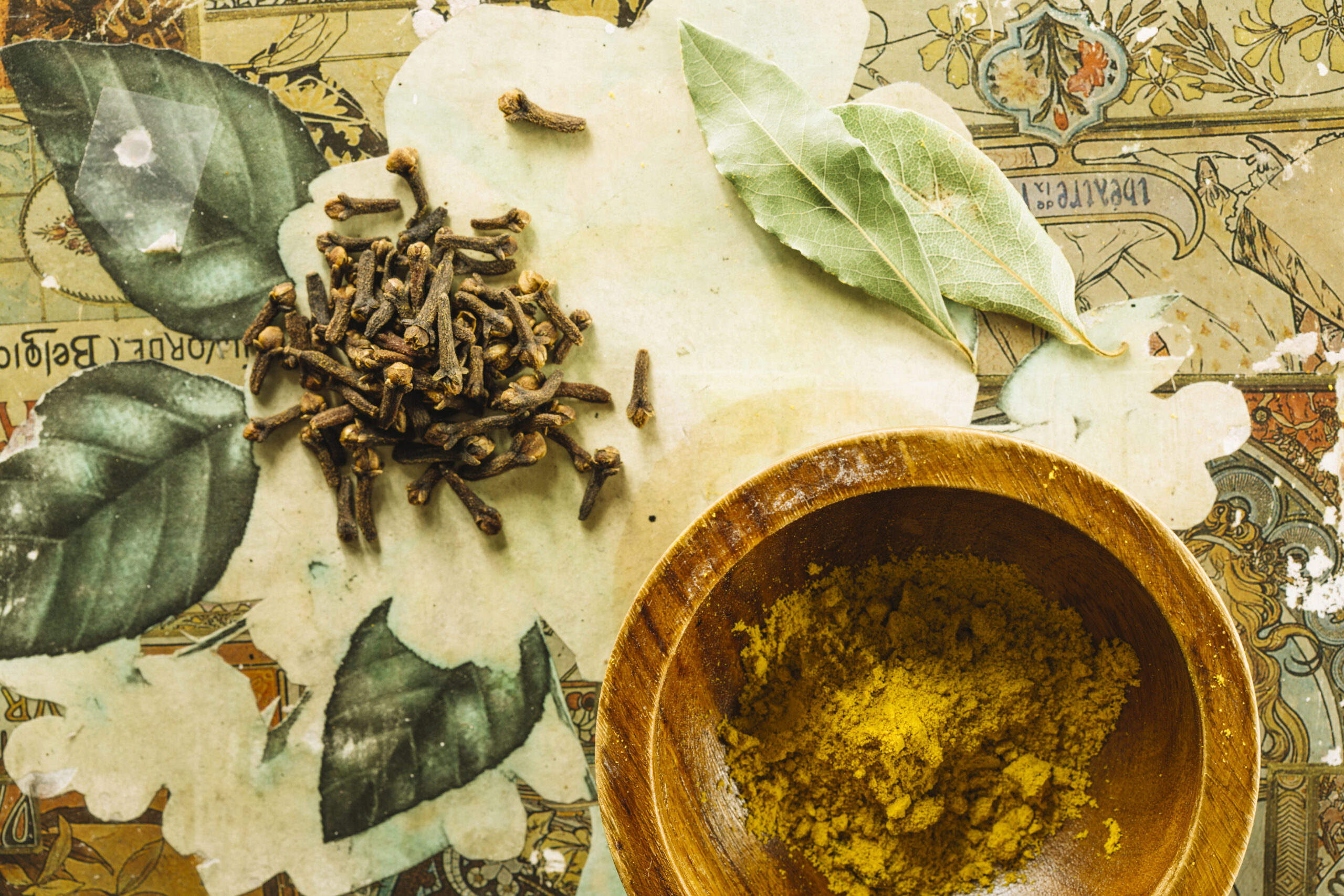
Foenegriek, known as fenugreek in English, is more than just a spice that adds depth to your meals. This ancient herb has been celebrated for centuries for its remarkable medicinal properties and numerous health benefits. From promoting digestion to enhancing lactation, foenegriek holds a special place in traditional medicine across various cultures. Whether you’re new to this herb or looking to deepen your knowledge, exploring the world of foenegriek can unlock a treasure trove of wellness secrets waiting to be discovered. Let’s delve into its rich history and vibrant uses that might inspire you to add this incredible herb into your life!
History and Origins of Foenegriek
Foenegriek, known as fenugreek in English, boasts a rich history that dates back thousands of years. This herb originated in the Mediterranean region and has been cultivated for its seeds and leaves.
Ancient Egyptians were among the first to harness its benefits. They utilized foenegriek not just as a culinary spice but also for embalming practices. The Romans valued it too, often incorporating it into their meals.
In traditional Indian medicine, foenegriek plays an essential role. It’s celebrated for its therapeutic properties and is frequently included in Ayurvedic treatments.
Throughout history, this versatile plant has crossed various cultures and borders. Its presence is felt globally today, from kitchens to herbal shops. Each civilization recognized something special about foenegriek long before modern science began validating its powerful effects on health.
Medicinal Properties and Uses
Foenegriek, also known as fenugreek, is renowned for its impressive medicinal properties. This ancient herb has been used for centuries in traditional medicine systems across the globe.
One of its most notable benefits is aiding digestion. Foenegriek seeds contain soluble fiber that can help alleviate issues like bloating and constipation.
Additionally, it boasts anti-inflammatory qualities. Many herbalists recommend it to soothe skin irritations and support joint health.
Another significant use lies in balancing blood sugar levels. Some studies suggest that foenegriek may improve insulin sensitivity, making it beneficial for those managing diabetes.
Women often turn to this herb to support lactation. It’s believed to enhance milk production in nursing mothers due to compounds similar to estrogen.
With such diverse applications, foenegriek continues gaining popularity among health enthusiasts looking for natural remedies.
How to Incorporate Foenegriek into Your Diet
Incorporating foenegriek into your diet is easier than you might think. This versatile herb can add flavor and nutrition to various dishes.
One popular method is using the seeds. You can soak them overnight and add them to salads or smoothies for a nutty crunch. Ground foenegriek powder is another excellent option, perfect for seasoning curries or soups.
For those who enjoy baking, try mixing foenegriek powder into bread or pancake batter. It not only enhances taste but also boosts health benefits.
If you’re a fan of tea, steeping crushed seeds in hot water creates an aromatic beverage that could aid digestion.
Experimenting with different recipes will help you discover how this ancient herb complements your meals best. Don’t hesitate to get creative!
Possible Side Effects and Precautions
Foenegriek is widely celebrated for its numerous health benefits, but it’s essential to be aware of possible side effects.
Some individuals may experience digestive issues like bloating or gas after consuming this herb. The high fiber content can sometimes upset sensitive stomachs.
Allergic reactions are another concern. Individuals with allergies to plants in the Fabaceae family might react negatively. Symptoms can range from mild itchiness to severe anaphylaxis.
Pregnant and breastfeeding women should exercise caution. Foenegriek may stimulate uterine contractions, posing risks during pregnancy.
If you’re on medication, particularly blood thinners or diabetes medications, consult a healthcare professional before adding foenegriek to your routine.
Listening to your body is crucial when trying any new supplement or herb. Start with small amounts and monitor how you feel over time.
Alternative Forms of Foenegriek
Foenegriek is versatile and can be consumed in various forms. One popular option is the whole seeds, which you can easily sprinkle on salads or use in cooking for added texture and flavor.
Ground foenegriek is another common form. This powder works beautifully in spice blends or as a thickening agent in sauces and soups. It’s an excellent way to incorporate its benefits without altering your favorite recipes significantly.
Tea made from foenegriek seeds offers a soothing beverage option. Steeping the seeds releases their essence, providing an aromatic drink that may aid digestion.
Capsules are also available for those who prefer convenience. These supplements provide precise dosages of the herb’s active compounds, making it easy to include foenegriek in your daily routine.
Tinctures offer a concentrated source of nutrients that you can add to water or smoothies for quick consumption.
Conclusion
Foenegriek, with its rich history and a plethora of medicinal benefits, stands as a testament to the power of nature. From ancient civilizations to modern kitchens, this herb has proven its worth across centuries. Its versatility makes it easy to incorporate into various dishes while providing a range of health advantages.
As you explore the world of Foenegriek, remember that moderation is key. While many can enjoy its benefits without issue, it’s essential to be aware of possible side effects and consult with healthcare professionals if needed. Whether in seed form or as an extract, there are plenty of options available for those looking to embrace this remarkable herb.
Navigating the healing properties and culinary uses of Foenegriek may lead you down an enriching path towards better health and wellness. Embrace this ancient gem in your daily routine and discover the potential it holds for enhancing both flavor and well-being.
