
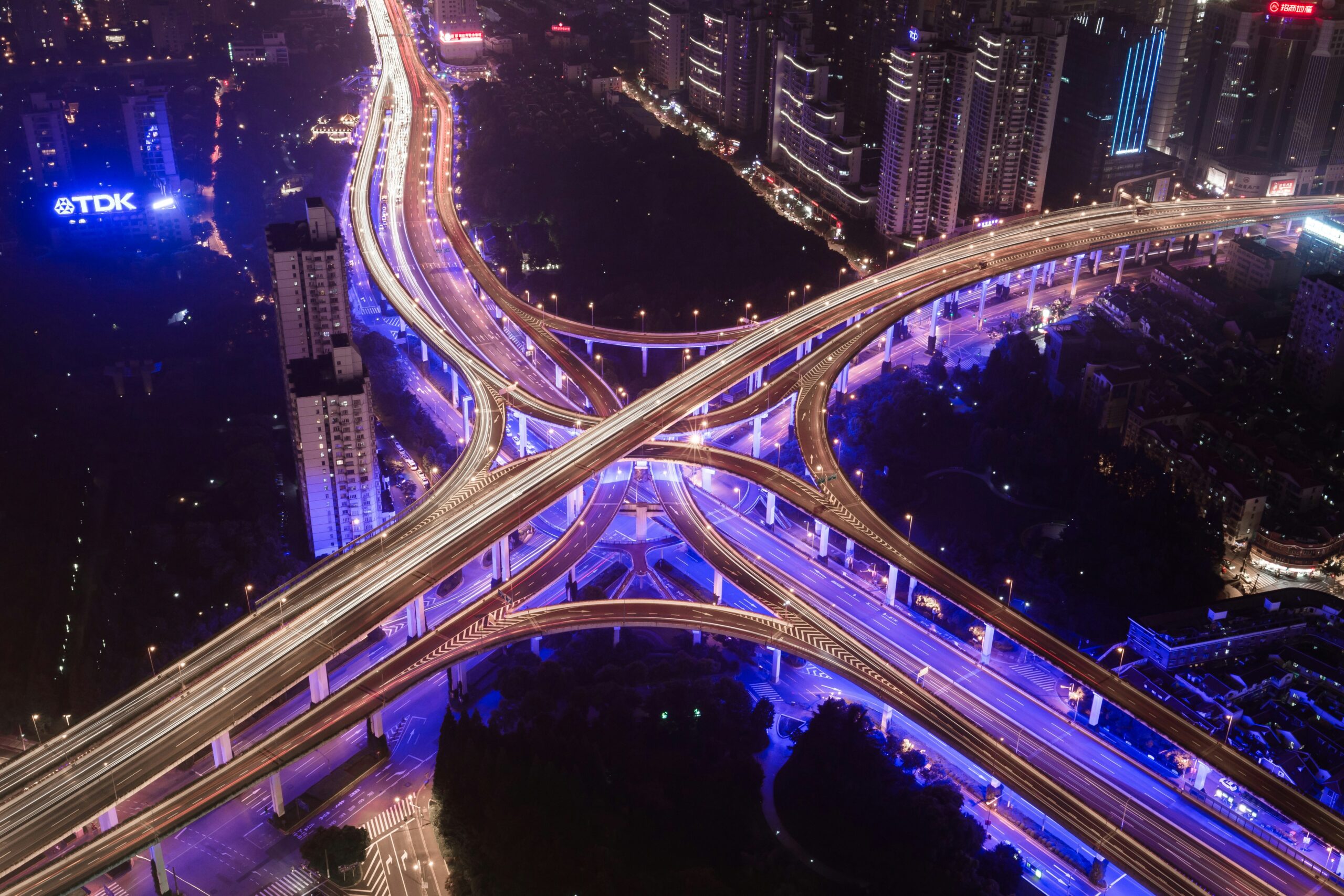
Welcome to the future of urban living! Imagine a city where everything is interconnected and responsive. A place where technology enhances daily life, making it easier and more efficient. This vision is becoming a reality with Axurbain.
Axurbain represents an innovative approach to developing smart cities that harness data and technology for better urban experiences. As populations grow and cities expand, the need for smarter solutions becomes increasingly vital. From traffic management to energy efficiency, Axurbain aims to transform our environments into sustainable havens.
Join us as we explore what Axurbain truly offers, delving into its benefits, how it operates, real-world success stories, challenges faced by smart cities, and exciting prospects for the future. Let’s embark on this journey toward smarter urban living together!
What is Axurbain?
Axurbain is a pioneering platform designed to enhance urban living through smart technology. It integrates various systems within cities, creating a seamless flow of information and services.
At its core, Axurbain leverages data analytics and the Internet of Things (IoT) to optimize city management. This includes everything from traffic control to waste management, ensuring resources are used efficiently.
The platform prioritizes sustainability by promoting energy-efficient solutions and reducing carbon footprints. By connecting different urban functions, Axurbain fosters collaboration between government agencies, businesses, and citizens.
This innovative approach transforms how we interact with our environments. With real-time insights at their fingertips, city dwellers can make informed decisions that improve their quality of life.
The Benefits of Smart Cities
Smart cities offer a range of benefits that enhance the quality of life for residents. By integrating technology into urban infrastructure, they improve efficiency in public services.
Traffic management systems reduce congestion and promote smoother transportation options. Real-time data helps city planners make informed decisions about road usage and public transit schedules.
Sustainability is another key advantage. Smart cities prioritize renewable energy sources, minimizing their carbon footprints while improving air quality. This creates healthier environments for all.
Public safety also sees a boost through smart technologies. Surveillance systems and emergency response mechanisms are enhanced with real-time analytics, ensuring quicker reactions to potential threats.
Moreover, citizen engagement flourishes in smart cities. With accessible platforms for feedback and communication, residents can actively participate in decision-making processes that affect their communities.
How Axurbain Works
Axurbain operates on a cutting-edge platform that integrates various technologies. It combines IoT devices, data analytics, and AI to create interconnected urban systems.
Sensors placed throughout the city gather real-time data on traffic, air quality, energy consumption, and more. This information is then processed using advanced algorithms for actionable insights.
City officials can monitor conditions from centralized dashboards. They can make informed decisions quickly based on accurate data visualizations.
Moreover, Axurbain encourages community engagement by providing citizens with access to this information through user-friendly apps. Residents can report issues or share feedback directly within the platform.
Collaborative efforts among city planners, businesses, and residents lead to tailored solutions that enhance urban living experiences while promoting sustainability. The seamless integration of technology into everyday life makes cities smarter and more responsive than ever before.
Success Stories from Cities Using Axurbain
Cities around the globe are embracing Axurbain to enhance urban living. Barcelona stands out as a remarkable example. By integrating smart sensors, the city improved traffic flow and reduced congestion significantly. Residents now enjoy cleaner air and less time spent in transit.
In Canada, Toronto implemented Axurbain’s technology to streamline waste management. Smart bins equipped with sensors notify collectors when they need emptying. This innovation has cut operational costs while keeping the streets cleaner.
Closer to home, Miami utilized Axurbain for public safety initiatives. Real-time data from connected devices helps law enforcement respond faster to emergencies, creating a safer environment for residents.
These cities illustrate how Axurbain transforms urban landscapes into smarter ecosystems that prioritize efficiency and sustainability. Each success story adds another layer of proof that embracing technology can lead to tangible improvements in daily life.
Challenges and Limitations of Smart Cities
Smart cities promise innovation, but they are not without their hurdles. One significant challenge is the integration of technology with existing infrastructure. Many cities struggle to modernize systems that have been in place for decades.
Data privacy concerns also loom large. With increased connectivity comes the risk of sensitive information being misused or hacked, creating a dilemma for city planners and officials.
Financial constraints can hinder progress as well. Implementing smart technologies often requires substantial investment, which may be difficult to obtain in cash-strapped municipalities.
Furthermore, public resistance plays a role. Some citizens may feel overwhelmed by rapid changes or skeptical about surveillance aspects inherent in smart systems.
There’s the issue of technological disparities among different communities. Not all areas possess equal access to resources, leading to an uneven rollout of smart solutions that could deepen social divides rather than bridge them.
Future Possibilities for Axurbain and Smart Cities
As technology evolves, the future of Axurbain and smart cities looks promising. Imagine urban landscapes where autonomous vehicles navigate seamlessly alongside pedestrians. This integration could drastically reduce traffic congestion while enhancing safety.
Renewable energy solutions will play a key role as well. Smart grids powered by solar and wind can optimize energy usage in real-time, making cities more sustainable.
Data analytics might become even more sophisticated. By harnessing AI, city planners can predict trends and manage resources efficiently, responding to citizens’ needs instantaneously.
Community engagement is also poised for transformation. Mobile applications could empower residents to participate actively in decision-making processes regarding local developments or services.
The Internet of Things (IoT) will connect everything from streetlights to waste management systems, creating an ecosystem that thrives on data exchange and innovation. Each step forward brings us closer to reimagining urban living through Axurbain’s lens.
Conclusion
Axurbain is revolutionizing the way we think about urban living. By leveraging technology and data, it creates smarter cities that not only enhance the quality of life for their residents but also streamline city management.
The benefits of smart cities are numerous. They promote sustainability, improve efficiency, and foster community engagement. With Axurbain’s innovative solutions, cities can tackle pressing issues such as traffic congestion, waste management, and energy consumption more effectively.
How does Axurbain work? It integrates various technologies like IoT sensors and big data analytics to gather real-time information. This data empowers city officials to make informed decisions that positively impact daily life for citizens.
Cities already using Axurbain report remarkable success stories. These include reduced crime rates through enhanced surveillance systems and improved public transport efficiency thanks to real-time tracking of buses and trains.
However, there are challenges in implementing smart city initiatives. Issues related to privacy concerns, high costs of technology adoption, and resistance from some stakeholders can hinder progress. It’s essential for cities to navigate these limitations carefully while pursuing innovation.
Looking ahead, the future possibilities with Axurbain are exciting. As technology continues to evolve rapidly alongside urbanization trends worldwide, we may see even smarter integrations that address global challenges like climate change or resource scarcity.
With all these factors at play in transforming urban environments into smarter versions of themselves through platforms like Axurbain means there’s much potential on the horizon for enhancing our collective living experiences across diverse metropolitan landscapes.
