
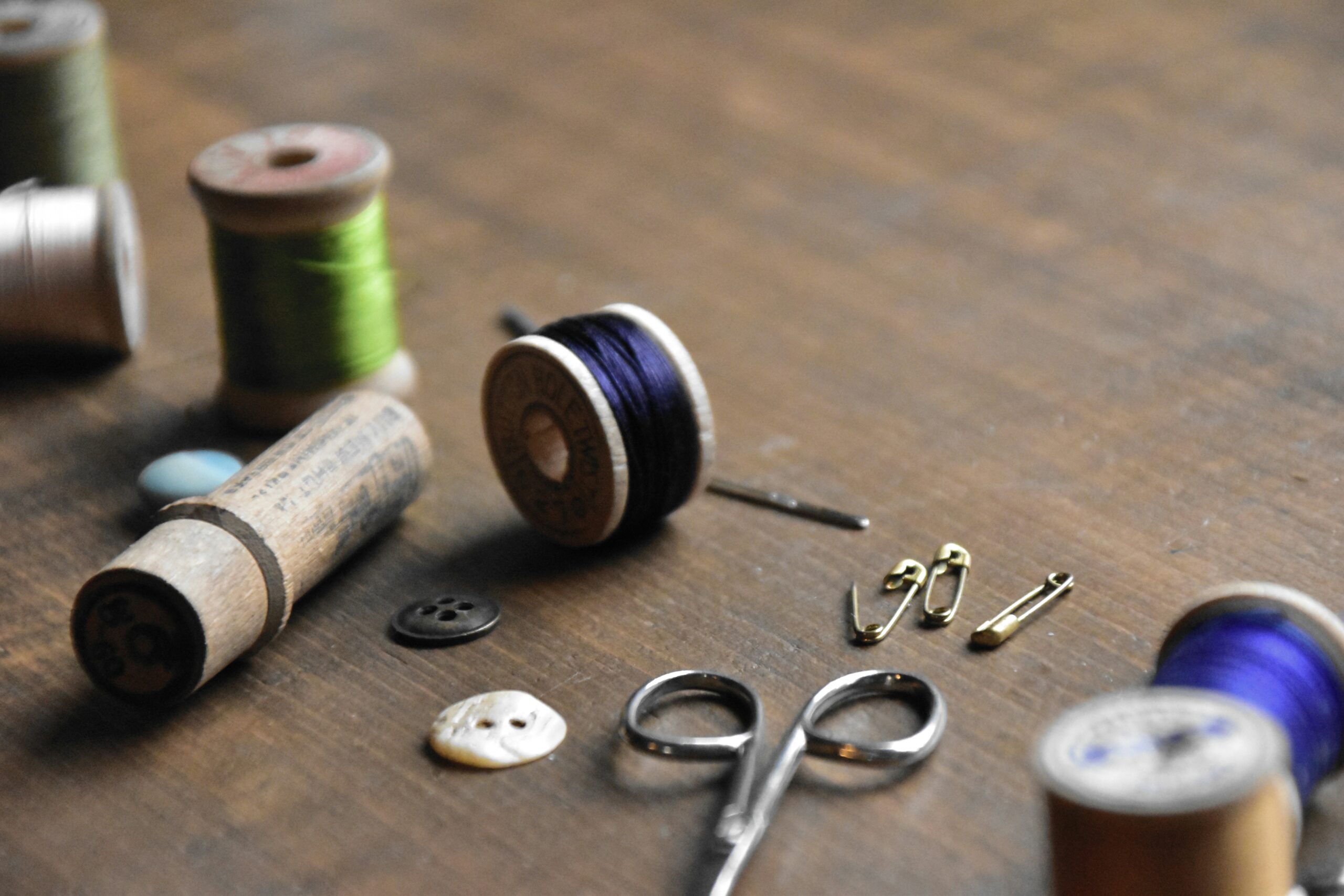
When it comes to sewing and fashion design, seams are the unsung heroes of your creations. These essential stitches hold fabric together, define the shape of garments, and can even elevate a simple piece into something extraordinary. Whether you’re crafting a cozy quilt or designing a chic evening gown, understanding different seam types—known as Nahttypen—is crucial for achieving that flawless finish.
Imagine exploring the vast world of fabrics and patterns only to find that your seams can make or break your project. From classic straight seams that provide stability to decorative finishes that add flair, each type serves its purpose in both function and form. So let’s dive deep into the various Nahttypen you’ll encounter on your sewing journey and discover how they can transform your designs from ordinary to outstanding.
The Classic Straight Seam
The classic straight seam is the backbone of sewing. It’s simple yet incredibly versatile. This seam creates a clean, crisp line that can be used in various projects.
To sew a straight seam, align two fabric pieces with right sides together and stitch along the edge. The standard 1/4 to 5/8 inch seam allowance works well for most garments.
It’s ideal for woven fabrics like cotton or linen but can also work on lightweight knits if handled carefully. A straight seam provides structural integrity while allowing the fabric to drape beautifully.
One of its main advantages is ease of construction. Even beginners can master this essential technique quickly.
Additionally, it serves as a foundation for more complex seams and finishes down the line, making it an indispensable skill in any sewer’s toolkit.
Zigzag and Overlock Seams for Stretchy Fabrics
Zigzag and overlock seams play a crucial role in working with stretchy fabrics. They allow for flexibility without compromising strength.
The zigzag stitch creates a stretchable seam that moves with the fabric. This is especially useful for knits and jerseys, where rigidity simply won’t do.
Overlock seams take it further by trimming excess fabric while simultaneously stitching the edges together. This prevents fraying and gives garments a polished look.
Using these techniques ensures your creations maintain their shape even after repeated wear and washing.
When sewing with elastic materials, choosing the right seam type can make all the difference in comfort and durability. The combination of stretchiness and stability makes zigzag or overlock seams ideal for activewear or fitted clothing styles.
Experimenting with different thread tensions can also enhance performance. A little adjustment could lead to perfect results every time you sew!
French Seam for a Clean Finish
The French seam is a favorite among sewers looking for a polished finish. It’s particularly popular in lightweight fabrics like silk and chiffon. This technique encases raw edges, preventing fraying while adding a touch of elegance.
To create a French seam, start by sewing the fabric wrong sides together with a narrow seam allowance. After trimming the excess fabric, flip it right side out and sew again along the original seam line. The result? A beautifully finished edge that looks professional from both inside and outside.
Not only does this method enhance durability, but it also elevates garment quality. It’s perfect for delicate items such as blouses or lingerie where aesthetics matter greatly. Those who take time to master this technique will appreciate its seamless beauty on their projects.
Flat-Felled Seam for Durability
The flat-felled seam is a favorite among those seeking strength in their garments. This seam offers a clean and polished look while ensuring durability.
Constructed by folding the raw edges of the fabric inward, it creates two lines of stitching that hold everything securely in place. It’s commonly used in jeans and shirts, where wear and tear are expected.
One notable aspect is how well this seam can withstand stress from movement. The double stitching prevents fraying, making it ideal for high-use areas like armholes or inseams.
Plus, the neat finish adds an element of sophistication to casual clothing. When you want your project to last while still looking sharp, the flat-felled seam stands out as a reliable choice for any sewing enthusiast.
Decorative Seams: Topstitching, Piping, and Hong Kong Finish
Decorative seams bring a touch of artistry to garments, elevating simple designs into something extraordinary.
Topstitching adds visual interest and can also serve a functional purpose. This technique involves sewing a line of stitches on the right side of the fabric, often contrasting in color or thickness for added flair.
Piping introduces texture and dimension. It consists of a cord encased in bias tape, sewn into seams for emphasis. Piping works wonderfully along edges like collars or pockets, providing that polished look.
The Hong Kong finish is another stylish option. It encloses raw edges with bias binding, creating a clean finish while adding color contrast at the same time. This method not only looks chic but also helps prevent fraying.
Using these decorative seam techniques transforms basic pieces into standout creations that showcase your personal style and attention to detail.
Tips for Choosing the Right Seam Type
When it comes to selecting the right seam type, consider the fabric first. Each material has unique characteristics that influence how well different seams will hold up. For example, lightweight fabrics often benefit from delicate seams like French or straight seams.
Think about the garment’s purpose as well. A casual t-shirt might require a more flexible seam, while tailored pieces need something sturdier like a flat-felled seam for added durability.
Pay attention to aesthetics too. Decorative seams can elevate your design and add personality to simple items. Techniques like topstitching or piping bring visual interest without compromising function.
Don’t forget about ease of sewing. Some seams are easier than others based on your skill level and available tools; choose what makes you comfortable yet inspired! Experimentation is key—don’t be afraid to try new techniques until you find your perfect match in nahttypen.
Conclusion
Understanding the different Nahttypen is essential for anyone interested in sewing and fashion design. Each seam type serves a unique purpose, from providing strength to enhancing aesthetic appeal. Whether you’re working with delicate fabrics or sturdy materials, knowing which seam to use can make all the difference in your project’s outcome.
Experimenting with various seams will not only improve your technical skills but also allow you to express your creativity. Take time to explore each type mentioned here, and don’t hesitate to try new techniques that may elevate your work even further.
As you navigate through the intricate world of sewing, remember that choosing the right seam can enhance both functionality and style in your creations. Happy sewing!
